Your Senses: Your Old Competitive Advantage
Updated: Apr 23
What AI cannot replicate and why your body knows what your mind hasn’t caught up to yet.
There is a conversation happening in every boardroom, every studio, every creative agency right now.
Is AI going to take my job?

AI will take the part of your job that you were never truly meant to do. The repetitive. The mechanical. The predictable. But AI cannot access, cannot simulate, cannot replace your ability to sense.
Your senses.
Not the basic five you learned in school. Something deeper. The full-spectrum sensory intelligence that lives in your body the part of you that feels a room before you understand it, that knows a creative direction before you can justify it, that receives an idea before it becomes words.
This is where your irreplaceable value lives. And most people have never been taught to use it.
The Creativity Crisis Has Nothing to Do with AI
We have spent decades training ourselves out of our senses.
Corporate culture rewarded logic over intuition. Meetings over silence. Data over feeling. We learned to distrust the instinct that whispered *this is the right direction* in favor of the PowerPoint that could defend it to a committee.
And then AI arrived and suddenly it can do the PowerPoint better than most of us.
So we are left with a choice: double down on the analytical skills a machine now outperforms, or finally learn to access what has always been ours.
The most innovative thinkers — the ones building what doesn’t exist yet, designing what hasn’t been imagined, leading what cannot be predicted — are not more logical than the rest. They are more sensory. They have learned to use the body as an instrument of intelligence.
What Multi-Dimensional Sensing Actually Means (Without the Woo)
Forget everything you think this means.
This is not about leaving reality. It is about arriving in it fully, completely, with every antenna switched on.
Your senses, when trained and trusted, give you access to layers of information that bypass the rational filter. This is not mystical. This is neuroscience. The body processes approximately 11 million bits of information per second. The conscious mind handles about 40.
The rest? It is happening in you, through you in the texture of a material you touch, the energy in a room you enter, the subtle discomfort that tells you a strategy is wrong before the numbers confirm it, the sudden clarity that arrives in the shower, on a walk, in the moment between sleeping and waking.
Creativity does not live in the mind. It moves through the body first.
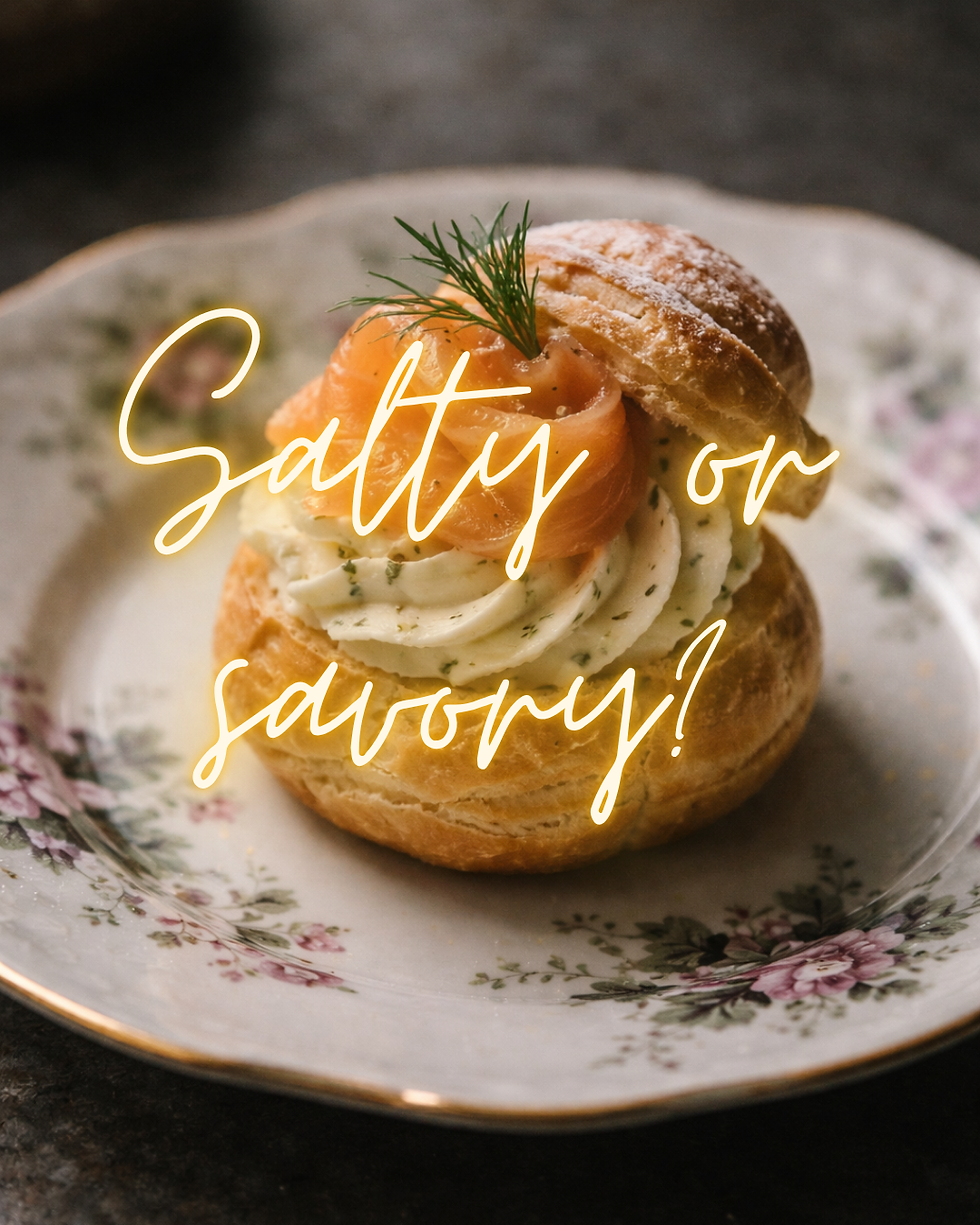
The question is whether you are capable of receiving the information (fully objectively) or not? And, if you need to build capacity for yourself to sense your body safely, do you know how to use your senses?
The Senses as a Creative Operating System
Here is what becomes available when you stop treating your senses as decoration and start treating them as data:
Sight beyond looking. The ability to see patterns, connections, and possibilities that others overlook — not because you are smarter, but because you are more present. The creative who notices what no one else does has trained their vision to be curious, not just efficient.
Sound as signal. Every environment speaks. The rhythm of a conversation, the silence that follows a question, the tone beneath the words. Highly creative and intuitive professionals are exquisite listeners — not just to content, but to frequency.
Touch as truth.There is a reason great designers, great makers, great leaders talk about *feel* — the feel of a fabric, the feel of a room, the feel of a decision. Tactile intelligence is one of the most underused cognitive tools in business.
Scent and memory as portals. Smell is the only sense with a direct pathway to the limbic system — the seat of emotion and memory. Creatives who work with scent, with environment, with atmosphere are not being indulgent. They are engineering access to deeper layers of consciousness.
The sixth sense — which is actually cellular knowing. The gut. The intuition. The sudden *yes* or *no* that arrives without explanation. In the age of AI, this is your most valuable differentiator. A machine can optimize. It cannot sense whether something is true.
Why This Is a Business Imperative, Not a Luxury
The future of work belongs to people who can do what algorithms cannot.
Algorithms can generate. They cannot originate
Algorithms can optimize. They cannot envision.
Algorithms can predict based on the past. They cannot sense what is emerging before it exists.
The creatives, entrepreneurs, and leaders who will thrive in the next decade are not those who compete with AI on its terms. They are those who go deeper into what makes them human into the sensory, the intuitive, the relational, the embodied.
This is not soft. This is strategy.
When you walk into a room and feel the energy before a word is spoken, you have data no algorithm has.
When you look at a brief and *know* the direction before you can explain it, you have insight no machine can generate. When you create something that moves people that lands in the body before it registers in the mind you have created something irreplaceable.
How to Start Reclaiming Your Sensory Intelligence
You do not need to meditate for hours or disconnect from the world. You need to practice presence in the one and only body you live in. You need to cleanup or adjust your antennas
Slow the intake. Before consuming information, PAUSE. Before opening the laptop, sit for sixty seconds and notice — what do you feel? What do you know, right now, before the noise begins?
Create with the body first. Before any creative project, move. Walk, stretch, breathe. TRAIN your body to warm up before the mind takes over. The ideas that follow will be different.
Trust the first signal. That instinct that arrives before the doubt — practice catching it, writing it down, giving it SPACE before you analyze it away. The first signal is often the truest one.
Train your environment. What you surround yourself with shapes what you can access. Scent, texture, light, sound — these are not aesthetics. They are inputs. Curate & UPDATE them with intention.
Receive, not just produce. Creativity is not just output. It is RECEPTION. The capacity to be still enough, open enough, present enough for something new to arrive through you. This is a skill. It can be built.
A Final Note
We are at a genuine inflection point. The jobs, the roles, the value systems that defined the last century are being rewritten in real time.
And inside that disruption is an extraordinary invitation.
To stop performing intelligence and start embodying it.
To stop mimicking creativity and start *being* the source of it.
To recognize that what you have, this body, these senses, this layered consciousness that has lived every experience of your life is not a liability in the age of AI.
It is the only thing AI will never have.
The doorway was always there. The question was whether you were ready to walk through it.
You are.
Elodie Attias
Comments